
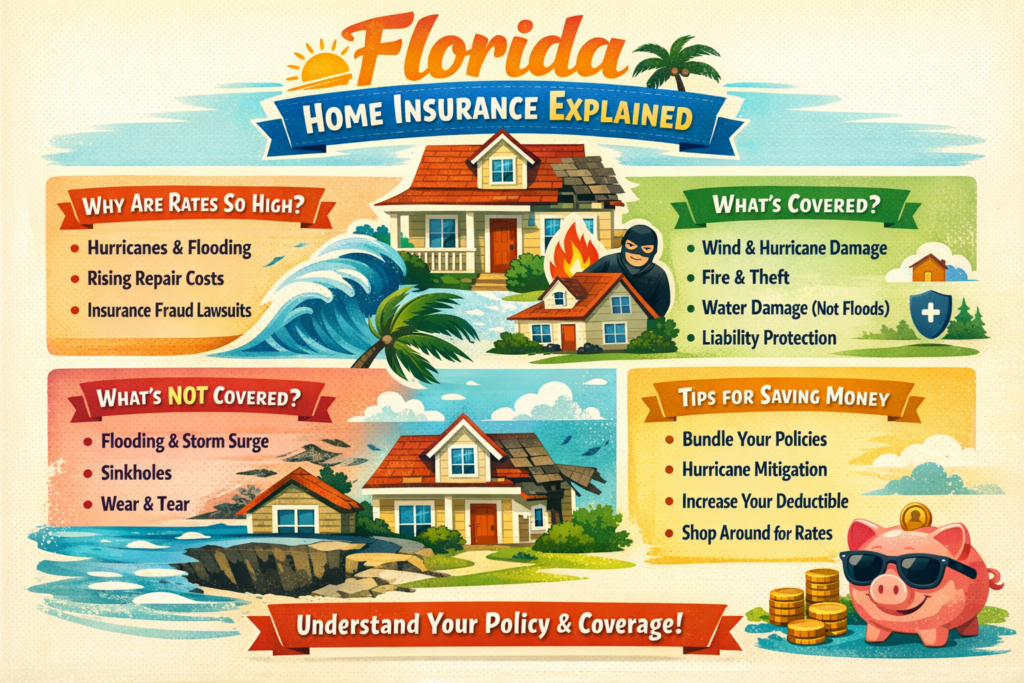
Florida is known for its beautiful beaches, sunny weather, and vibrant lifestyle. However, owning a home in Florida also means facing some unique risks, especially when it comes to insurance. Understanding how home insurance works in the Sunshine State can help you protect your investment and enjoy peace of mind. With hurricanes, floods, and other natural hazards always a concern, Florida homeowners must know what their policies cover. The insurance market in Florida can feel complicated, but learning the basics makes the process easier. In this article, you will discover the essential facts about Florida home insurance. Reading further will show you important coverage options, common exclusions, and tips for choosing the right policy. Making informed choices ensures your home and loved ones stay protected. Let’s explore the world of Florida home insurance together.
Understanding Florida Home Insurance Basics for Homeowners
Home insurance in Florida works similarly to policies in other states, but there are some crucial differences. Since the state faces greater hurricane and severe storm risks, insurance companies adjust their coverage and premiums accordingly. As a homeowner, you need to carry enough coverage to protect your house, personal belongings, and liability. Generally, a standard policy includes dwelling coverage, personal property coverage, and liability protection. Each part of your policy plays a specific role in shielding you from potential financial loss.
In Florida, insurance rates can vary widely depending on several factors. For example, your home’s age and construction, its location, and how close it is to the coastline can all influence your premium. Additionally, your claims history, credit score, and the amount of coverage you choose will affect your premium. Because Florida is prone to hurricanes, most policies include a separate deductible for windstorm damage. Understanding these details helps you anticipate costs and make better choices.
Many homeowners wonder if home insurance is required by law in Florida. Legally, you do not have to buy insurance unless you have a mortgage on your home. However, if you have a loan, your lender will almost always require it. Even without a mortgage, maintaining a policy is a smart way to protect your investment. Therefore, taking time to understand the basics of Florida home insurance gives you a solid foundation for exploring coverage options.
Key Coverage Options and Common Exclusions in Florida
When shopping for home insurance in Florida, you will find several coverage options worth considering. Standard policies usually include dwelling coverage, which pays to repair or rebuild your home after a covered event. Most policies also offer personal property coverage, helping you replace belongings damaged by a covered peril. Additionally, liability protection shields you from claims if someone gets hurt on your property. Some policies offer extra living expenses if your home becomes unlivable due to damage. Many Florida homeowners add flood insurance, as standard policies do not cover flood damage.
However, understanding exclusions is just as important as knowing what your policy covers. Most Florida home insurance policies exclude certain events, such as flooding, earthquakes, and sinkhole damage. While hurricane wind damage is often included, it usually comes with a higher deductible. Many policies also limit coverage for high-value items, such as jewelry or artwork, unless you purchase extra protection. In addition, insurance companies may not cover damage caused by neglect or lack of maintenance. Knowing what your policy excludes helps you avoid surprises and make more informed decisions.
Because ofFlorida’ss unique risks, homeowners often need to supplement their coverage. Floods are a major concern, so many people buy separate flood insurance through the National Flood Insurance Program or a private insurer. Some homeowners also consider additional endorsements for mold, water backup, or high-value personal items. Comparing policy options and reading the fine print can help ensure you have the protection you need. Therefore, always discuss your options with an experienced insurance agent. Taking these steps allows you to tailor your coverage to your specific needs.
Tips for Choosing the Right Home Insurance Policy
Choosing the best home insurance policy in Florida requires careful research and attention to detail. First, it helps to shop around and compare quotes from different insurers. Every company uses its own formula to determine rates so that you may find significant price differences for similar coverage. Always ask each agent about available discounts, such as for installing storm shutters or a security system. These discounts can help lower your premium while improving your home’s safety. Gathering information from multiple sources gives you a better chance to find a great deal.
Next, you should consider an insurance company’s reputation and financial strength. Look for providers with strong customer service ratings and a track record of promptly paying claims. Checking reviews and independent ratings can help you feel confident in your choice. Since weather events can cause widespread damage in Florida, choosing a stable and reliable insurer is especially important. Also, pay close attention to policy details, including deductibles, coverage limits, and exclusions. Carefully reviewing every section ensures you avoid costly surprises later.
Finally, make it a habit to review your policy every year or whenever your situation changes. Upgrading your home, buying new valuables, or changing your mortgage could all affect your insurance needs. Schedule time to speak with your agent and update your coverage as needed. Keeping your policy up to date ensures you remain fully protected, regardless of life’s changes. By following these tips, you can confidently secure the right home insurance for your Florida property.
Florida home insurance is vital for protecting your home and your financial well-being. Since the state faces unique risks, learning about insurance basics, coverage options, and exclusions is a smart move. Taking time to compare policies from different companies can help you find the best rate and protection for your needs. Because the weather can change quickly and disasters strike without warning, having the right policy brings invaluable peace of mind. Remember to pay attention to the fine print and ask questions if anything is unclear. Working with a trusted insurance agent can make a big difference in understanding your choices. Additionally, regularly reviewing your policy ensures you stay up to date with changes in your life or property. The right home insurance not only protects your investment but also secures your family’s future.